Very few people are born with a perfect smile. Most orthodontic problems, known as malocclusions or “bad bites”, are more common than you might think. They can affect chewing, speaking, oral hygiene, and your overall appearance.
Malocclusions may be:
Inherited (genetic)
Caused by habits like thumb sucking
Related to dental trauma, disease, or birth defects
A result of poor dental hygiene or other medical conditions
No matter the cause, learning about your specific orthodontic concern is the first step toward a healthier, more confident smile. Dr. Dalia Shlash provides personalized treatment to restore both function and aesthetics.
Here are some of the most frequently seen bite and alignment issues:
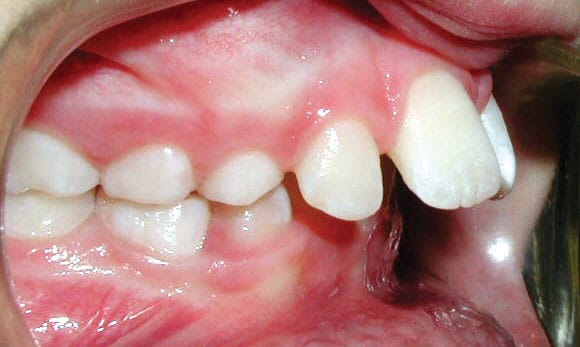
Upper Front Teeth Protrusion
When the upper front teeth extend too far forward, or the lower teeth don’t come forward enough, it can affect both function and appearance. This condition may increase the risk of injury to the front teeth and impact overall bite balance.
Overbite
In this type of bite, the upper front teeth significantly overlap the lower front teeth. In more severe cases, the lower teeth may even touch the roof of the mouth. Overbites can also lead to uneven tooth wear and jaw discomfort if not addressed.
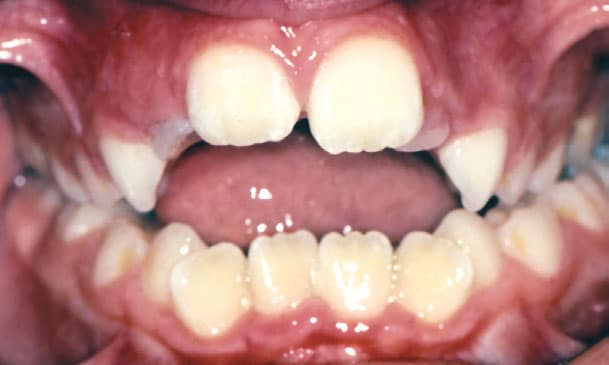
Crossbite
A crossbite occurs when the upper teeth bite inside the lower teeth. This misalignment can affect jaw development and lead to long-term issues if untreated. It may also result in asymmetrical jaw growth, recession, and difficulty chewing on one or both sides.
Open Bite
With an open bite, the upper and lower front teeth do not touch when biting down, making it difficult to chew properly. It’s often linked to tongue thrusting or thumb sucking habits. If left untreated, it can interfere with speech development and oral function.
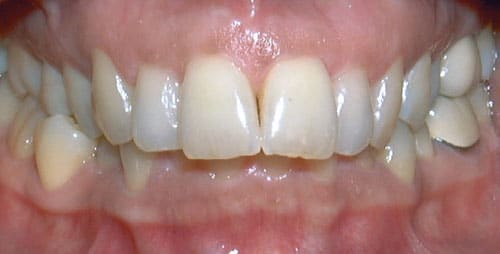
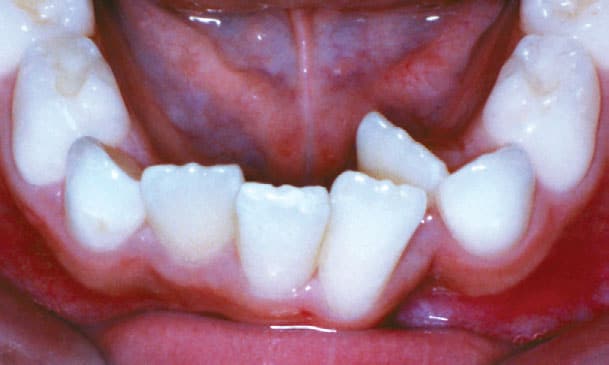
Crowding
When there isn’t enough room in the jaw for teeth to grow in properly, crowding occurs. Expansion treatments can often solve the issue without the need for extractions. Crowding also makes it harder to maintain good oral hygiene, increasing the risk of cavities and gum disease.
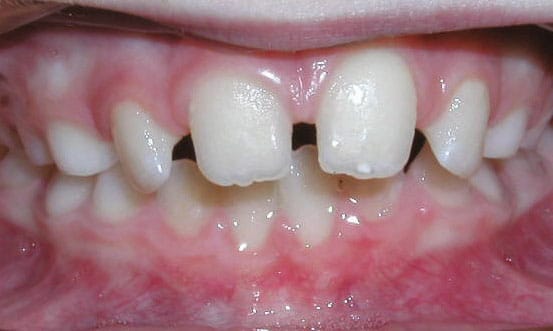
Spacing
Gaps between teeth may be caused by missing teeth or simply be a cosmetic concern. Either way, they can often be corrected for a more uniform smile. Proper spacing is essential for balanced function and a confident, aesthetically pleasing appearance.
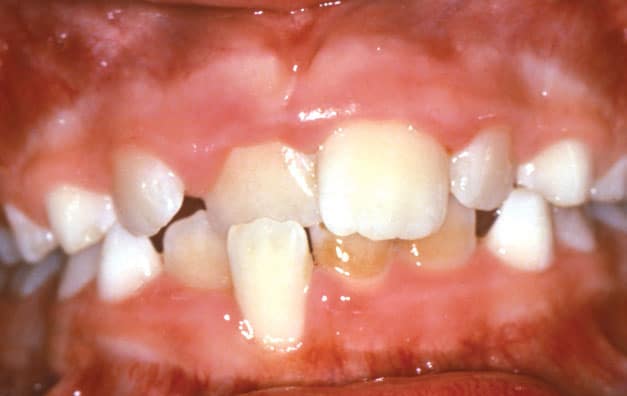
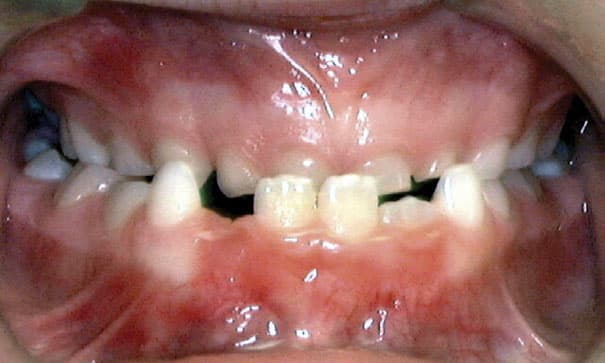
Underbite
An underbite happens when the lower jaw extends past the upper jaw, placing the lower front teeth in front of the upper ones. This can cause both functional and aesthetic issues over time. Underbites may contribute to uneven tooth wear, speech problems, and jaw pain if not corrected.